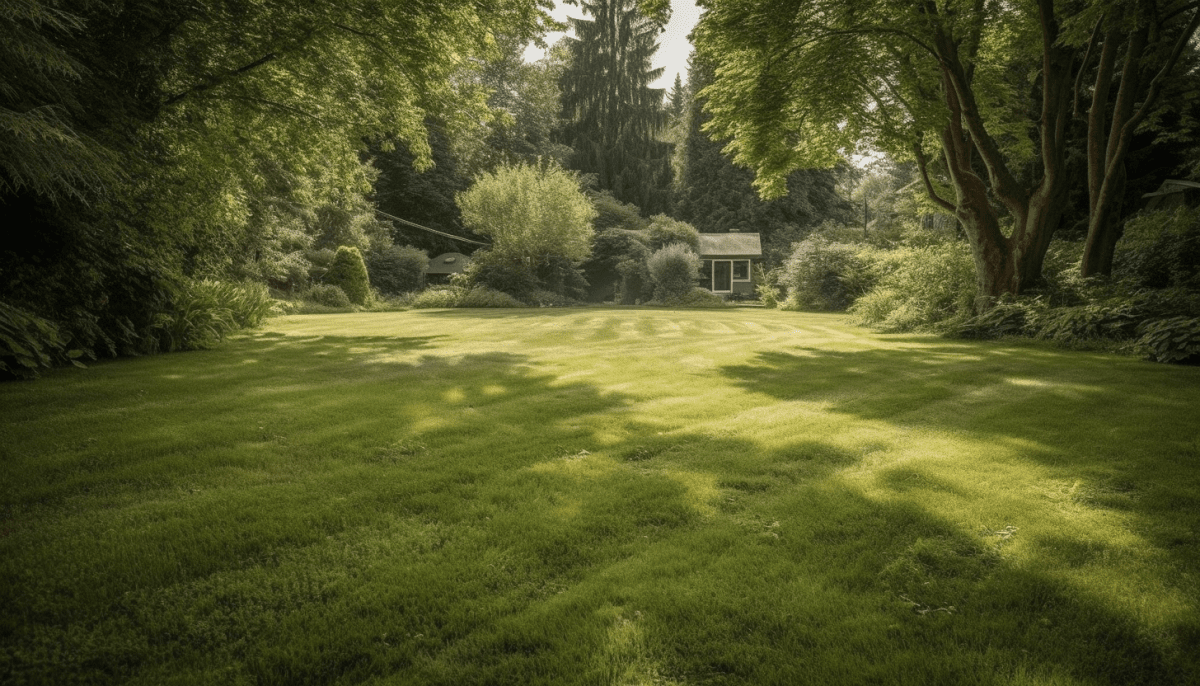
Grubs might not be the cutest critters in your lawn, but knowing what they are can really help you tackle any issues they cause. These little guys are the larvae of beetles, and they love to munch on grass roots. If your lawn is looking brown and patchy, grubs might be the culprits.
What do grubs look like? They're usually white or cream-colored, with a C-shape and a distinct brown head. You can often find them just a few inches below the surface of the soil or in affected areas when you dig up a patch of grass. If you notice increased bird activity or raccoons tearing up your lawn, it’s a good sign you’ve got grubs hiding out.
How do you know if you've got a grub problem? One of the simplest methods is the tug test. Just grab a chunk of grass and give it a gentle pull. If it comes up easily, it's a strong indication that there are too many grubs chomping away down there.
Don't wait too long to act! Grubs thrive in the warm months, and they can cause serious damage to your lawn if you don’t take care of them. Luckily, there are great products out there designed specifically to help you get rid of these pests and restore the health of your grass. Getting to know grubs is the first step in keeping your lawn lush and vibrant.
Signs of Grub Infestation
Not sure if grubs are taking over your lawn? Here are some signs that make it pretty clear you’ve got an infestation. First off, keep an eye out for brown patches in your grass. If certain areas look dead or dying, it could be a sign that grubs are munching away at the roots.
Another telltale sign is if your lawn feels spongy when you walk on it. That squishy feeling is a big indicator of grubs lurking beneath the surface, wreaking havoc on the grass. If your grass pulls up easily, almost like a carpet lifting off the floor, it’s time to take a closer look. Healthy grass should be firmly rooted.
You might also notice increased activity from birds or critters in your yard. They often dig and scratch around looking for grubs. If you've got more feathered friends than usual pecking at your lawn, that could be a sign they’re onto something!
Lastly, if you flip over some of the sod or soil, check for the little white or brown larvae wriggling around. If you see them, you've got grubs for sure. Catching them early means you can take steps to rescue your lawn before it’s too late. So keep an eye out for these signs and take action if you need to!
Top Treatments for Grubs
Grubs can wreak havoc on your lawn, but don’t worry; there are effective treatments to kick those pesky critters to the curb. Here’s a quick rundown of some top options that can help you get your lawn back in shape.
First up, natural solutions! Products like neem oil are fantastic if you want to keep things eco-friendly. It targets pests without harming beneficial insects. Just mix it according to the instructions and spray it on affected areas. Your lawn will thank you!
If you’re looking for something a bit stronger, consider using insecticides specifically designed for grubs. Look for products containing imidacloprid or chlorantraniliprole. These chemicals are tough on grubs but safer for your grass. Just be sure to follow the application guidelines to get the best results.
Don’t forget about preventative measures! Applying a granular treatment in early spring can stop grubs before they even show up. This proactive step saves a lot of headaches down the line. Keep an eye on your lawn’s health, and make adjustments as needed. Regular lawn maintenance and watering can also keep your grass looking luscious and less inviting for grubs.
Lastly, you might want to introduce beneficial nematodes. These tiny worms will seek out and destroy grubs in your soil. They’re harmless to pets and plants, making them a great option if you prefer a natural approach. Just sprinkle them over the area and let nature do its thing!
Preventing Future Grub Problems
After you’ve tackled those pesky grubs, you want to keep them from coming back. Prevention is key to having a lush, green lawn that you can be proud of. Here's how to stop grubs in their tracks!
First off, keep your lawn healthy. Regular mowing and watering help a lot. A well-maintained lawn can better resist pests. Aim for a height of about three inches when you mow—that allows your grass to develop deeper roots. Plus, water deeply but less frequently to encourage a strong root system.
Another smart move? Aerating your lawn. This process opens up the soil, allowing nutrients and water to reach the roots more effectively. Aeration also helps reduce thatch buildup, which can be a cozy home for grubs. Consider doing this once a year in the spring or fall.
Don’t forget to keep an eye on your lawn’s soil health. Adding organic matter, like compost, improves soil structure and makes it less appealing for grubs. Healthy soil grows strong grass, which is less prone to grub damage.
Lastly, using natural predators can be a game changer. Nematodes are tiny worms that feed on grubs and can work wonders in your lawn. Just be sure to follow proper application guidelines for effective results. With these strategies, you’ll keep grubs at bay and enjoy a beautiful lawn all season long!
